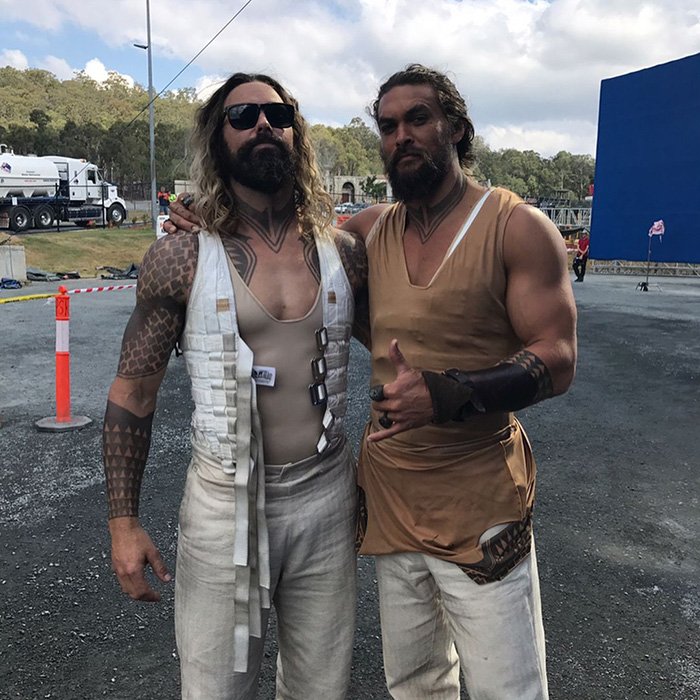
When you settle into your seat, the lights dim, and a blockbuster explodes onto the screen, you’re often swept away by the stars, the director's vision, and the dazzling special effects. But behind every iconic monster, every jaw-dropping leap, and every subtle background detail, there's a world of uncredited actors, stunt performers, and creature suit experts whose immense talent forms the very bedrock of cinematic magic. They are Hollywood's true unsung heroes, making the impossible look effortless and the fantastical feel real.
This isn't just about anonymous faces; it's about highly skilled professionals whose dedication shapes the stories we love, often with little to no public recognition. Ready to pull back the curtain on these silent contributors?
At a Glance: Uncovering Hollywood's Hidden Talents
- The "Invisible" Art: Learn why the most effective stunt work and creature performances are often the ones you don't even notice.
- More Than Just Daredevils: Understand the rigorous training, choreography, and problem-solving behind every on-screen action sequence.
- Becoming the Monster: Discover the physical and mental demands of performing inside elaborate creature suits, from limited vision to extreme temperatures.
- Beyond the Credits: Explore the reasons why many critical contributions remain uncredited and the ongoing efforts for better recognition.
- Your Role as a Viewer: Find out how you can better appreciate these essential artists and advocate for their much-deserved place in film history.
Beyond the Marquee: Why Some Heroes Remain Hidden
Hollywood thrives on illusion. From a carefully constructed set to a flawless digital effect, the industry's primary goal is to transport you, the viewer, into another reality. For many performers, achieving this illusion means becoming a seamless, often anonymous, part of the fabric. Their job is to elevate the story or the star without drawing attention to themselves.
This isn't a new phenomenon. In the early days of cinema, many roles were uncredited as a matter of course. As the industry grew, so did the concept of a "star system," and with it, the careful orchestration of who received top billing. While unions and guilds have fought for and largely secured comprehensive crediting for their members, specific categories of work — particularly those involving physical transformation, stand-in roles, or high-risk performance — often still exist in a gray area, making their contributors the backbone of the film without appearing on the official marquee.
The Art of the Fall: Unpacking Stunt Performance
When a car flips spectacularly, a hero plunges from a skyscraper, or a protagonist barely escapes a fiery explosion, you’re almost certainly watching a stunt performer. These aren't just thrill-seekers; they are highly trained athletes, acrobats, martial artists, and drivers whose craft is as much about safety and precision as it is about daring.
More Than Just Daring Feats: Choreography, Safety & Storytelling
A great stunt isn't just dangerous; it's meticulously planned. Stunt coordinators work closely with directors to choreograph every punch, kick, and fall, ensuring it serves the narrative and enhances the character's journey. Think of it less like random chaos and more like a high-stakes ballet. Before a single take, detailed storyboards are drawn, equipment is rigorously tested, and safety protocols are established, often involving specialized rigging, airbags, and fire retardants.
The goal? To make it look real, not dangerous, and certainly not like an actor avoiding a fall. The seamless execution of a stunt allows you to believe the main actor is truly capable of superhuman feats, reinforcing the immersion in the film's world.
The "Invisible" Craft: Making It Look Easy
The true artistry of a stunt performer lies in their ability to make their work invisible. When you see a character fall down a flight of stairs, you're not meant to think, "Wow, that stunt person is amazing!" You're meant to gasp and worry about the character. This requires an incredible level of physical control and acting ability, blending seamlessly into the star's performance. They must mimic the lead actor's walk, posture, and even their emotional state during intense physical action.
The Ongoing Fight for an Oscar
Despite their critical contributions to blockbuster success and cinematic storytelling, stunt performers remain one of the few major crafts without an Academy Award category. This omission is a long-standing point of contention within the industry. Advocates argue that stunt work is a distinct art form requiring unique skills, vision, and creativity, deserving the same recognition as cinematography or costume design. Imagine a world where the incredible action sequences you remember so fondly were acknowledged not just for their thrills, but for the profound artistry behind them.
Stepping Into the Skin: The World of Creature Acting
Perhaps one of the most physically demanding and anonymously brilliant roles in filmmaking is that of the creature actor. These performers don custom-built suits, often weighing a hundred pounds or more, to bring fantastical beings to life. They are the souls within the monsters, the heart of the aliens, and the personality of the fantastical beasts that populate our imaginations.
What Does a Creature Actor Do?
According to insights from Wikipedia, a creature actor is a highly specialized performer who embodies non-human characters, typically within elaborate prosthetic suits, costumes, or animatronic creations. Their task goes far beyond simply "wearing a suit"; they must develop a unique physicality, gait, and even an emotional language for a character that often has no dialogue and whose face is entirely obscured. It's a blend of mime, dance, physical theatre, and deep character understanding, all performed under extreme conditions.
The Physical & Mental Demands
Imagine performing a scene where you need to convey menace, sadness, or curiosity, all while navigating these challenges:
- Weight & Bulk: Many creature suits are incredibly heavy, restricting movement and adding significant strain. Performers often describe wearing suits that weigh well over 50 pounds, sometimes even 100 or more, making every step an effort.
- Heat & Endurance: The enclosed nature of the suits means temperatures inside can soar, leading to rapid dehydration and exhaustion. Long takes require immense physical stamina and mental fortitude to push through discomfort.
- Restricted Vision: Visibility is often severely limited, reduced to small peepholes or even relying on monitors and verbal cues from handlers. This makes navigating sets, hitting marks, and interacting with other actors incredibly challenging.
- Limited Movement: Suits can constrain natural human movement, forcing actors to adapt their entire physicality to fit the character's design. This could mean walking on stilts, hunching over, or moving with an unnatural gait.
- Anonymity & Expressive Challenge: The actor's face is completely hidden, demanding that all emotion and character come through body language alone. This requires an incredible mastery of movement and the ability to project an internal state through external actions.
Skills Required: Mime, Dance, Acting
To overcome these obstacles, creature actors often draw on a diverse skill set:
- Mime: Essential for conveying emotion, intention, and reaction without facial expressions or dialogue.
- Dance & Choreography: Crucial for developing unique creature gaits and movements that feel organic and believable.
- Physical Acting: The ability to embody a character entirely through posture, gesture, and subtle shifts in weight.
- Improvisation: Often, suits don't allow for rehearsed perfection, so the ability to adapt and react in the moment is vital.
Notable Examples: The Faces Behind the Monsters
While many creature actors remain anonymous, a few have gained recognition for their extraordinary dedication and talent.
- Doug Jones: Perhaps the most famous creature actor working today, Jones is renowned for his elegant, expressive performances in roles like Abe Sapien in Hellboy, the Faun and Pale Man in Pan's Labyrinth, and the Amphibian Man in The Shape of Water. His background in mime and contortion allows him to imbue his characters with an almost ethereal grace despite often cumbersome costumes.
- Kevin Peter Hall: An imposing presence, Hall brought to life some of cinema's most terrifying creatures, including the titular monster in Predator and the Bigfoot in Harry and the Hendersons. His ability to combine menacing physicality with hints of intelligence made his performances unforgettable. For those curious about the intricacies of the creatures and performances in one such film, you can dive into the Full Alien vs Predator Requiem cast for a deeper look.
- Bolaji Badejo: The original Xenomorph in Ridley Scott's Alien, Badejo was discovered in a pub due to his unusual height and slender frame. His unique physicality, combined with H.R. Giger's design, created one of cinema's most iconic and terrifying aliens, demonstrating how the right performer can elevate a creature suit to legendary status.
- Haruo Nakajima: The original Godzilla, Nakajima spent years enduring the heavy, poorly ventilated suits to create the king of the monsters. His work laid the foundation for kaiju acting and defined the movement language for generations of giant monsters.
These performers don't just wear costumes; they become the characters, often spending hours in makeup chairs and enduring physically taxing shoots. They are as integral to the final product as any lead actor, breathing life into characters that would otherwise be mere puppets or effects.
The Many Faces of "Uncredited": Beyond Stunts and Suits
The world of uncredited contributions extends beyond the obvious stunt work and creature performance. Many other crucial roles often go unrecognized in the final credits.
Body Doubles, Stand-ins, and Background Performers
- Body Doubles: Used for specific shots where the principal actor might not be available, or for scenes requiring nudity, intense physical action (not necessarily stunts), or specific physical attributes. Their job is to seamlessly match the star, ensuring continuity.
- Stand-ins: These individuals "stand in" for the main actors during lighting and camera setup. They are crucial for efficiency, allowing the crew to prepare while the stars are in hair, makeup, or rehearsing. While not performing on screen, their presence is vital to the production process.
- Background Actors (Extras) with Significant Contribution: While most extras are truly just "background," some contribute more directly to a scene's authenticity, reacting to principal actors, performing specific actions, or holding nuanced expressions that enhance the environment. Their individual work rarely gets singled out, even if their collective presence is essential.
Voice Actors in Creature Roles
Sometimes, the creature's menacing growl, alien chirps, or even a nuanced vocalization isn't produced by the creature actor in the suit. Dedicated voice actors, often uncredited for these specific sound effects, contribute immensely to the character's presence and fear factor. Their ability to craft unique vocalizations adds another layer of realism and personality to the creature, making it truly come alive.
Early Career Uncredited Roles
It's also worth remembering that many now-famous actors got their start in uncredited or very minor roles. Before they were household names, they might have been "Girl in Cafe," "Man #3," or a fleeting background presence. These early experiences, though uncredited, are part of their journey and a reminder that every journey begins somewhere.
Why Recognition Matters: More Than Just a Name
You might wonder, "If their work is meant to be invisible, why does recognition matter?" The impact of crediting goes far beyond a name on a screen; it affects careers, industry standards, and the public's understanding of filmmaking itself.
Impact on Careers and Legacy
For performers, being credited is essential for building a portfolio, joining professional guilds, and securing future work. It validates their contribution and gives them a measurable record of their experience. For creature actors and stunt performers, whose bodies are their instruments and whose contributions are often overshadowed by visual effects, credit is a tangible acknowledgment of their unique skill set and artistry. It also ensures their legacy, allowing future generations to appreciate the people behind the magic.
Safety and Fair Compensation
Recognition often goes hand-in-hand with fair labor practices. When roles are clearly defined and credited, it helps ensure that performers are properly compensated, their working conditions meet industry standards, and they receive necessary protections (like insurance). The fight for proper crediting is often part of a larger struggle for worker's rights and safety.
The Audience's Appreciation for the Craft
Finally, recognition benefits you, the audience. Knowing who performed a particular stunt or animated a creature enriches your appreciation for the film. It pulls back the curtain on the incredible effort and talent involved, deepening your understanding of the complex collaborative art form that is cinema. It allows you to celebrate not just the finished product, but the immense human ingenuity that created it.
Shining a Light: How We Can Better Appreciate These Artists
So, what can you do to better appreciate these vital, yet often overlooked, members of the filmmaking family?
Pay Attention to the Full End Credits
It sounds simple, but many people leave the theater or turn off the streaming service as soon as the main credits roll. The scrolling end credits are a treasure trove of information, listing countless individuals whose work brought the film to life. Look for sections dedicated to "Stunt Performers," "Creature Design & Performance," or "Specialty Suit Performers." You might discover names that frequently appear across your favorite action or sci-fi films.
Seek Out Behind-the-Scenes Content
Many Blu-rays, streaming platform extras, and dedicated documentary series (like Netflix's The Toys That Made Us or various "making of" specials) delve deep into the production process. These often feature interviews with stunt coordinators, creature designers, and the performers themselves, offering invaluable insight into their craft, the challenges they faced, and the solutions they devised. Watching these can transform your viewing experience, giving you a new appreciation for the layers of artistry involved.
Support Industry Advocacy Groups
Organizations like the Screen Actors Guild – American Federation of Television and Radio Artists (SAG-AFTRA) and the Stuntmen's Association of Motion Pictures actively advocate for better recognition, safety, and compensation for their members, including those in specialized performance roles. Understanding their efforts and supporting their mission (even through simply being informed) contributes to a more equitable industry.
Engage in Film Discussion
Talk about these roles! When you discuss a movie with friends, bring up the incredible stunt work or the masterful creature performance. Highlighting these aspects in reviews, social media posts, or online forums helps shift the conversation and brings much-needed attention to these artists.
Your Role in Uncovering Hollywood's Hidden Gems
The magic of cinema is a collective effort, built on the shoulders of hundreds, if not thousands, of talented individuals. While the stars may draw us in, it's often the uncredited actors, the daring stunt performers, and the dedicated creature suit artists who provide the thrilling spectacle, the believable fantasy, and the emotional resonance that truly makes a movie unforgettable.
Next time you watch a film, take a moment to look beyond the obvious. Appreciate the subtle gesture of a background extra, the incredible athleticism of a stunt double, or the nuanced emotion conveyed through a monster's lumbering gait. By recognizing their invaluable contributions, you're not just acknowledging a performer; you're celebrating the very essence of what makes Hollywood's illusions so compelling and enduring. You become an active participant in uncovering and celebrating these hidden gems, ensuring that their dedication and artistry finally receive the spotlight they so richly deserve.